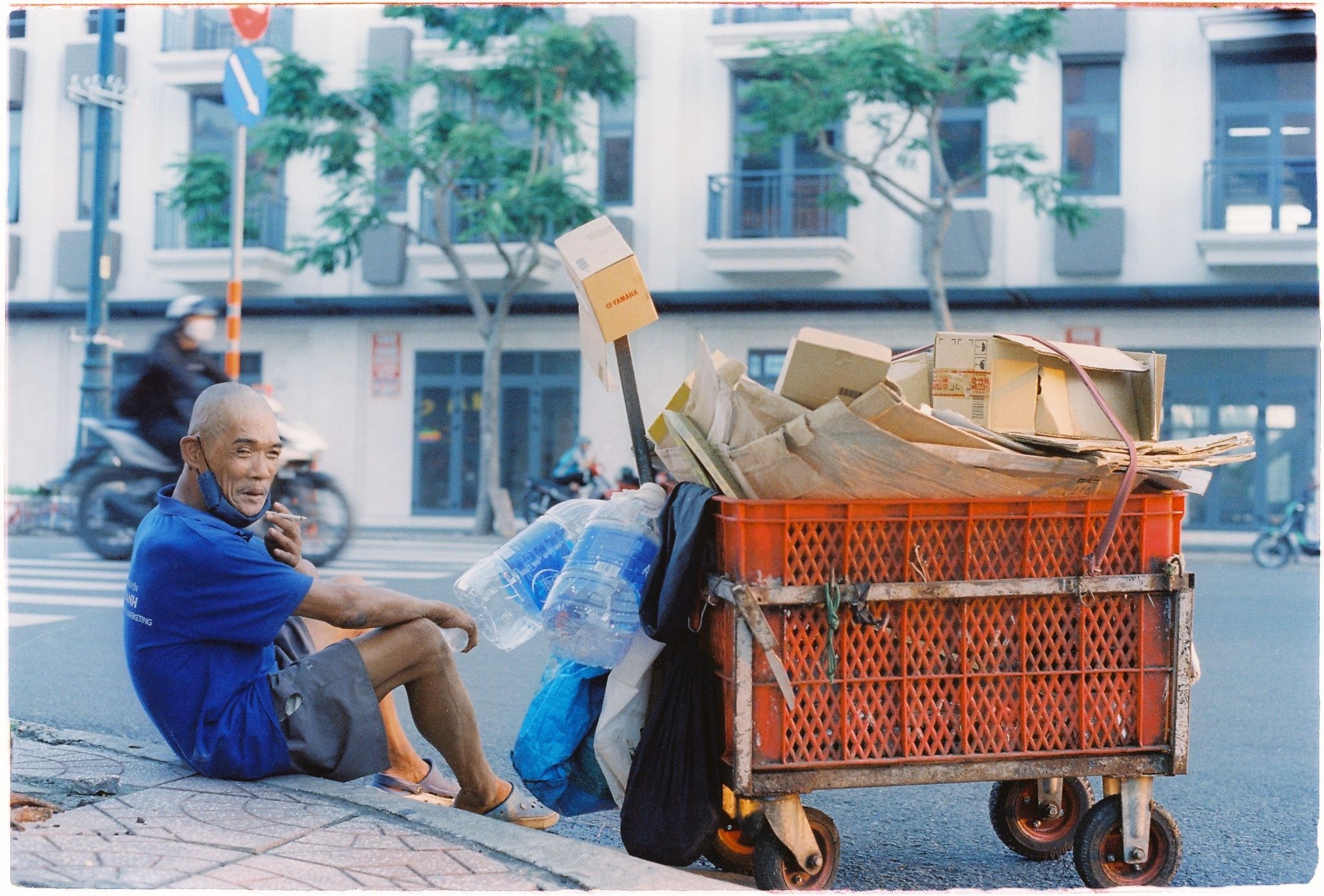
Many individuals face the daily question of questioning where their daily life belongs without a front door to lock. Where do you put your winter coat when the weather turns warm? Where do you keep your birth certificate, your medication, or the last photograph you have of your child?
For most of us, our everyday items are easy to take for granted. A phone, a photo, an old letter, or a favourite shirt that may seem ordinary at first glance. For someone experiencing homelessness, these possessions are far more than material goods, and are vital anchors to identity, autonomy, and human dignity.
Research on precarity and homelessness in Canada emphasizes that possessions provide crucial practical support while helping individuals maintain a sense of self normalcy in environments that often strip both away (Belongings Matter, n.d.).
A much larger systemic issue arises when people are forcibly displaced from the spaces they occupy. During municipal enforcement operations and encampment clearances (often referred to as “street sweeps"), personal belongings are routinely confiscated, impounded or simply thrown into garbage trucks.
This is not a rare occurrence. A 2025 study conducted in Vancouver revealed that 23.6% of participants experiencing instability and homelessness reported having their belongings confiscated by municipal authorities (Eren et al., 2025). When local governments clear spaces without offering secure storage solutions, they do not resolve homelessness; instead, they compound it. Losing vital belongings like sleeping bags, warm clothing, medication, or identification documents forces individuals to restart their survival from scratch.
Consider the role of a mobile phone. In a digital world, a smartphone can serve as a necessity for stability. For many people experiencing homelessness, a phone is more than a way to stay in touch. It can be the way they receive a call from an employer, communicate with a housing worker, access an online application, find a shelter, or stay connected with family. Losing a phone or other essential belongings can therefore create barriers far beyond the loss of the item itself (Belongings Matter, n.d.).
When we walk past a campsite or see someone carrying multiple bags, it can be easy to view those items through a lens of clutter, or public inconvenience. Framing personal belongings this way completely misses the point. Sometimes, what looks like “just a backpack” or “just a phone” can be connected to someone's ability to access the services and opportunities they need.
References
Belongings Matter. Introduction and Context – Possessions of Precariously Housed People.
https://belongingsmatter.ca/report/introduction?
Eren, H., et al. (2025). “Street sweeps”: The municipal government-enforced confiscation of personal belongings among unstably housed people who use drugs in Vancouver, Canada. Public Health, 248, 105885.
https://www.sciencedirect.com/science/article/pii/S0033350625003312?
Belongings Matter. Analysis – Possessions of Precariously Housed People.
https://belongingsmatter.ca/report/analysis?


