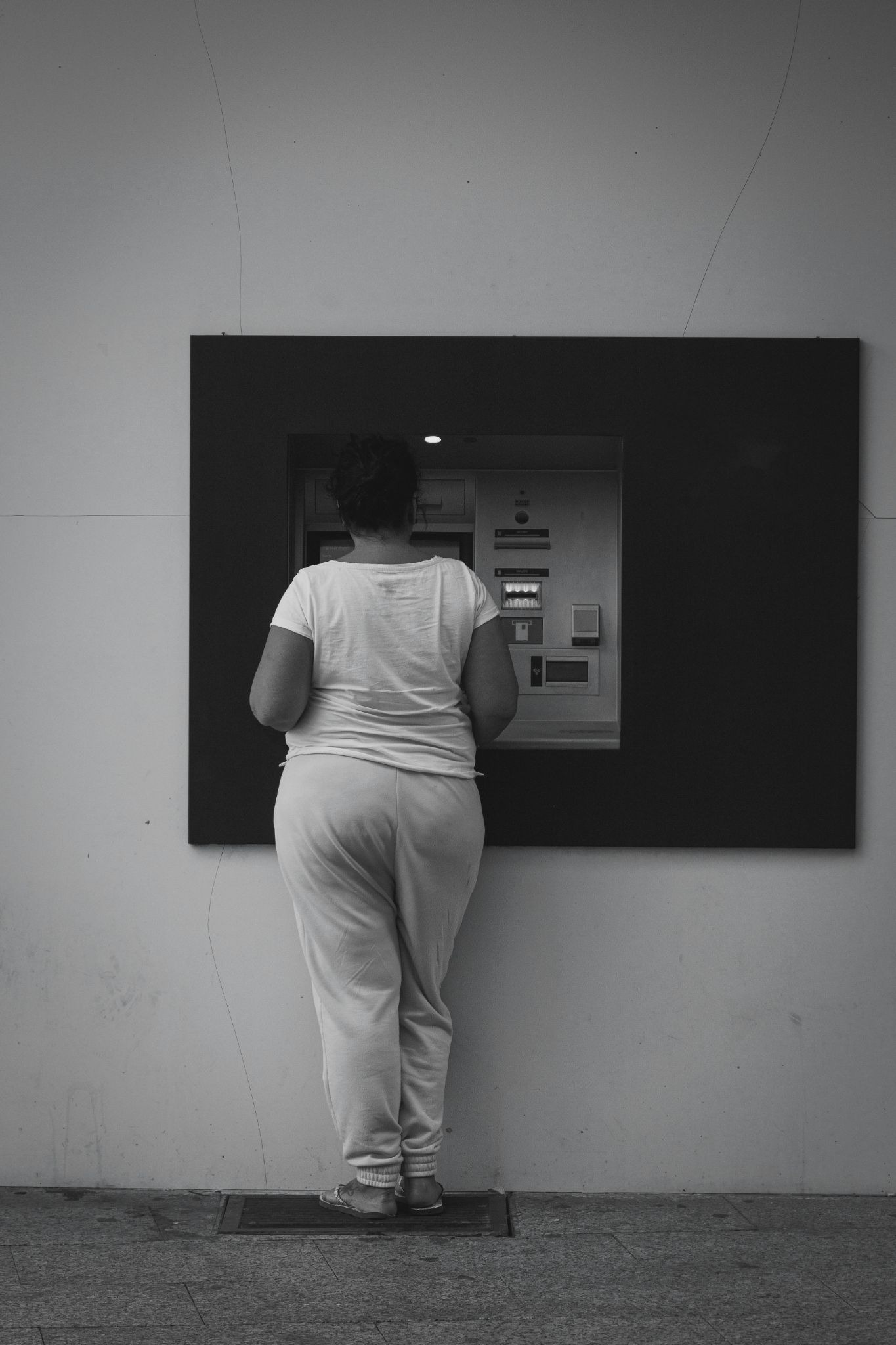
For most of us, opening up a bank account is a forgettable, 20-minute chore. You walk into a branch, hand over an ID, sign a screen, and walk out with a debit card. For someone experiencing homelessness, that routine can feel like an insurmountable wall. When you are navigating the daily crisis of housing instability, the simplest administrative tasks become painfully complex. Frequent moves, lack of transportation, and the sheer mental toll of needing constant survival make the consistency required by traditional banks nearly impossible to maintain.
The ID Catch
The single greatest hurdle to financial inclusion is documentation. When you live in a shelter or on the street, your belongings are constantly exposed to the elements, loss, or theft. Essential documents like birth certificates or photo ID are frequently lost.
Replacing these items triggers a frustrating bureaucratic loop. To get a new ID, you often need money for fees, paperwork, and a proof of permanent address. However, you cannot get a job or an account to store money without that very ID.
No Fixed Address, No service
Traditional banking is built entirely around the concept of a fixed home. Financial institutions rely heavily on a permanent mailing address to verify identity, send statements, and flag fraud. Without a stable mailbox, individuals are locked out of standard account creation, leaving them digitally disconnected from the financial ecosystem.
Cost of a Cash-Only Life
When the banking system locks you out, you are essentially forced to rely entirely on cash. This introduces immense risk for people experiencing homelessness. Carrying physical cash makes unhoused or precariously sheltered individuals prime targets for theft, and money can easily be lost or destroyed in the elements. A cash-only existence creates an economic ceiling. While we progress as a cash-only society, lacking a bank account cuts individuals off from legitimate employment opportunities and vital government benefits, both of which rely heavily on direct deposit.
How it Impacts the Affected
This is not just an administration headache, but a systemic flaw. According to data from the Financial Consumer Agency of Canada (FCAC) (2022), individuals facing housing instability are disproportionately locked out of basic financial services due to rigid identification and system mandates. The consequences of this exclusion ripple outward. Research from Statistics Canada (2023) highlights a direct link between financial exclusion and long-term instability. When someone cannot secretly manage their income or build credit, their ability to secure housing, plan for the future, and escape the cycle of poverty is severely hindered.
Breaking Down the Barriers
Thankfully, the framework is beginning to shift. A growing number of community organizations and financial institutions are partnering to build work-arounds. One example of efforts to improve financial inclusion is the guidelines for the FCAC. The guidance states that Canadians may be able to open a bank account using alternative combinations of identification, and in some cases, non-standard methods of identifying verifications. These were designed to reduce barriers for individuals who may have difficulty accessing traditional forms of identification (FCAC, 2022). In Canada, federal guidance encourages financial institutions to use flexible identification procedures when individuals do not possess standard forms of ID, helping reduce those barriers as well. Another initiative is Ontario’s Partners for Access and Identification Project (PAID). The program assists those who do not have a permanent address in obtaining birth certificates, social insurance numbers replacements, and Ontario health cards. Programs such as PAID recognize that identification is often a prerequisite for social and financial inclusion and help individuals overcome one of the most common administrative barriers associated with homelessness (PAID, n.d).
References
%20(1).png)


